I'm a language coach. And in France, my brain froze too.
May 18, 2026Knowing a language and speaking it with confidence are two completely different things. A holiday in France reminded me exactly how that feels.
You're standing at the checkout. The cashier says something. You know you understand Dutch, you learned it, you took the course, you passed your integration exam. But right now, with that queue behind you and that woman looking at you, every single word disappears. And POEFFF... You switch to English.
You cycle home with a knot in your stomach, thinking... I failed again, now I know how to respond!
This is not your failure. This is how a brain works.
I know, because it happened to me too last month. On holiday in France.
And I'm a language coach.
Four years without French
I live in the Netherlands. I speak daily Dutch and English. But French, I hadn't spoken it in four years. Apart from the words you basically use in Dutch too. Croissant. Abonnement. Champagne. Those don't really count ;)
And so, just before we left, my brain started playing its own little game.
It's been so long. I've probably forgotten all the words. Maybe I should watch some videos first. What do you even say at the bakery when your order is complete and you want to pay?
Shoulders up. A frown on my forehead. That knot in my stomach, the one I know so well from my clients' stories, was now sitting in mine.
And then I thought: Maayke. You know what to do!
The moment at the checkout
I'd already been in France for a few days. The everyday words were coming back, the way they always do when you just use them. Ordering bread. Asking if there's space on the campsite (we travelled with a camper van). Checking if you can pay by card.
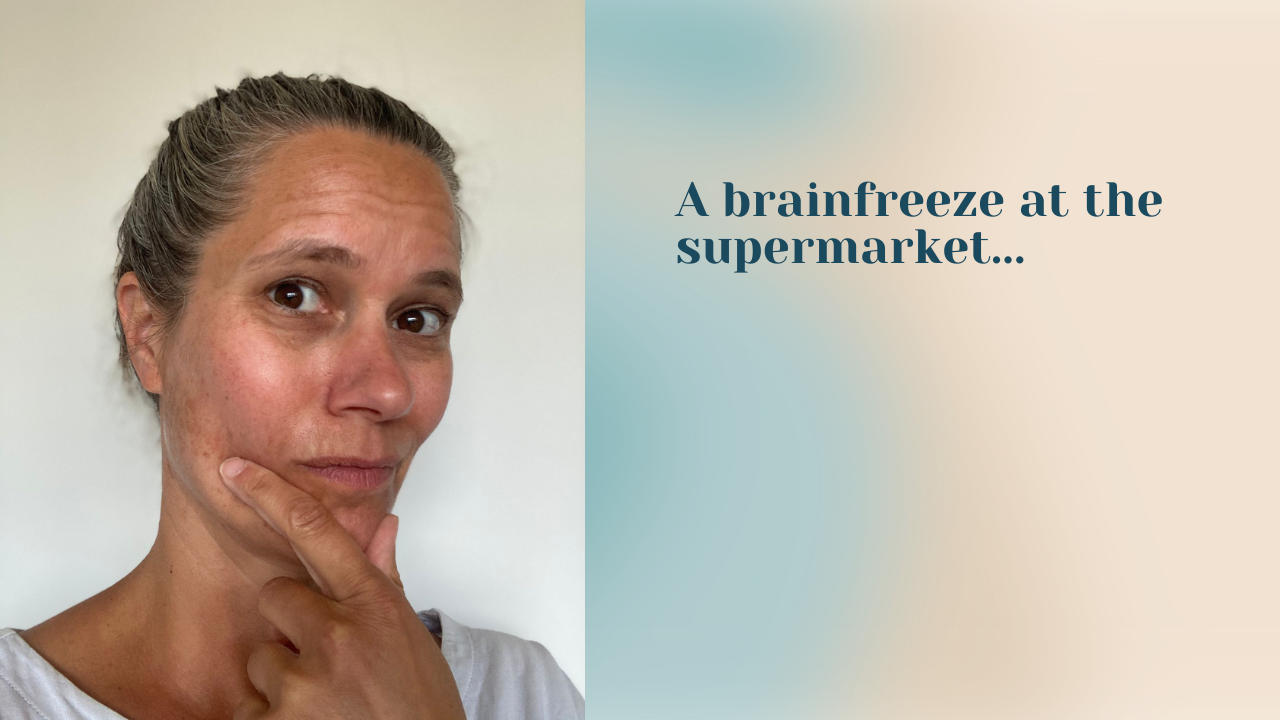
But then I was standing in the queue at a busy supermarket. My son had tried to load half the shop into the trolley, I'd had enough of it, and the cashier said something I didn't understand at all.
My son looked at me. Mum, what is she saying?
No idea. I felt some panic coming. But yet I said something. I took a deep breaht and I used the strategies I explain to my clients every single week, now for myself. I used it, my favorite words when I don't know the words. I pointed. I asked.
Le truc là-bas? That thing there. That trolley.
The relief on the cashier's face. The pride in my son's eyes. He doesn't speak a word of French, but he could see his mother had made something of it.
We figured it out. The trolley had rolled too far forward while my son was unloading it and needed to stay behind the alarm sensor. The alarm didn't go off.
That's it. That's exactly the feeling you deserve too.
Being tired is allowed
When I arrived at the reception desk of our last campsite, I was exhausted after a long drive. The woman behind the desk wore a badge with three flags on it. French. English. Spanish.
I felt like I had to speak French. After all, I was in France.
But the words wouldn't come. They really wouldn't. My brain simply refused.
So I said, in my best French: “Would English be alright? My French isn't coming right now. I'm so tired.”
I said it mainly to lower my own expectations. She didn't know me. She had no idea I’m a language coach, no idea how high my standards for myself were in that moment.
She looked at me, surprised, and said: “But you speak French so well.”
What followed was a lovely mix of both languages. Sometimes I answered in French, sometimes in English. The conversation ended with an au revoir and a smile on both sides.
Being vulnerable opens doors. It creates connection.
The next morning, she asked me how I felt, if I had slept well.
In French.
What you can take from this
You might recognise this. Not from a French campsite reception, but from your own daily life here in the Netherlands.
That meeting where you want to say something, but the words won't come.
That neighbour who speaks too fast and you nod along, but don't quite catch everything. Even though you really want to.
That moment at school, at the doctor's, at the municipality, where you think afterwards: I actually wanted to say more.
What I noticed again in France is this: a frozen brain is not a sign that you don't know the language. It is a sign that your brain is under pressure. That is human. It happens to me. It happens to everyone who communicates in a second language.
The difference is not in how many words you know. It is in what you do at the moment when the words don't come.
So, what now?
If you're reading this thinking: yes, this is me, then I want to leave you with something.
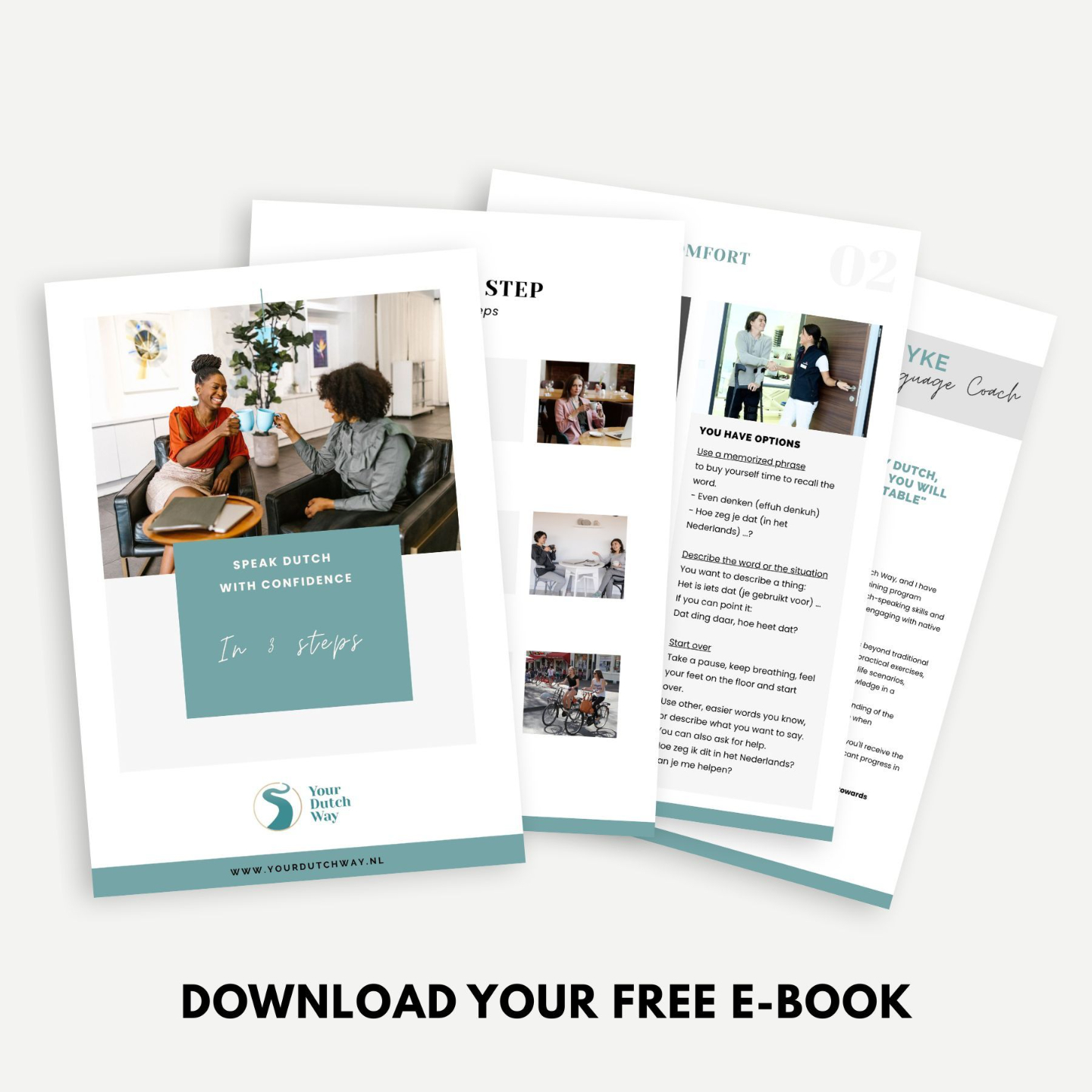
You don't have to figure this out alone. There are strategies for exactly this moment. Not more grammar. Not another course. But concrete ways to stay standing, even when your brain stutters.
That is what I work on every single day. And it always starts with one thing: allowing yourself to find it difficult sometimes.
Even Dutch language coaches in a French supermarket.
I'm a language coach and founder of Your Dutch Way. I help internationals who know Dutch but get stuck when speaking it. Not through more grammar, but by building speaking confidence. Want to know more? Schedule your free appointment here and get in touch!
Who am I?